Analyzing Complexity in Radiation Oncology and Wellness
- entropiasystemstr
- 3 hours ago
- 4 min read

Radiation oncology is a critical field in cancer treatment, employing advanced technology and techniques to target and destroy cancer cells. However, the complexity of this field extends beyond the technical aspects; it encompasses patient wellness, emotional support, and the intricate interplay between treatment and quality of life. In this post, we will explore the multifaceted nature of radiation oncology, the challenges it presents, and the importance of integrating wellness into treatment plans.
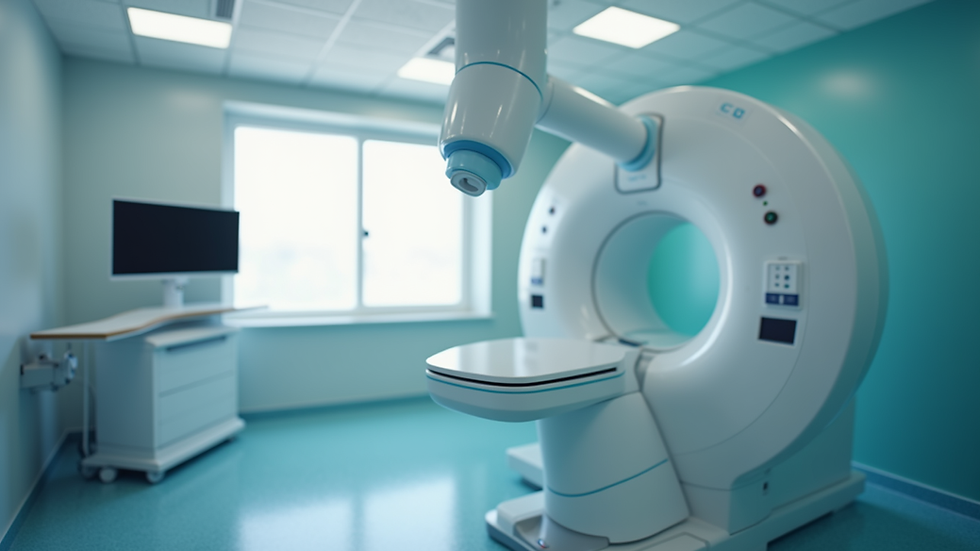
Understanding Radiation Oncology
Radiation oncology involves the use of high-energy radiation to treat cancer. This treatment can be delivered in various forms, including:
External Beam Radiation Therapy (EBRT): This is the most common form, where radiation is directed at the tumor from outside the body.
Brachytherapy: This involves placing radioactive material directly inside or near the tumor.
Stereotactic Radiosurgery: A non-surgical radiation therapy that precisely delivers a high dose of radiation to a tumor.
Each of these methods has its own set of complexities, requiring specialized knowledge and skills from healthcare professionals.
The Role of Technology
The integration of technology in radiation oncology has revolutionized treatment. Advanced imaging techniques, such as MRI and CT scans, allow for precise tumor localization. Moreover, innovations like Intensity-Modulated Radiation Therapy (IMRT) and Image-Guided Radiation Therapy (IGRT) enable oncologists to tailor treatments to the individual patient’s anatomy and tumor characteristics.
However, with these advancements come challenges:
Data Management: The vast amount of data generated from imaging and treatment planning requires sophisticated software and trained personnel to manage effectively.
Training and Expertise: Continuous education is essential for healthcare providers to stay updated with the latest technologies and techniques.
Patient-Centered Care
While technology plays a crucial role in radiation oncology, the focus must remain on the patient. Patient-centered care emphasizes understanding the individual needs and preferences of patients. This approach can significantly impact treatment outcomes and overall wellness.
Communication is Key
Effective communication between healthcare providers and patients is vital. Patients should feel empowered to ask questions and express their concerns. This dialogue can lead to:
Better Treatment Adherence: When patients understand their treatment plans, they are more likely to follow through.
Informed Decision-Making: Patients who are well-informed can make choices that align with their values and preferences.
Emotional Support
Cancer treatment can be emotionally taxing. Providing psychological support is essential for patient wellness. This can include:
Counseling Services: Access to mental health professionals can help patients cope with the emotional burden of cancer.
Support Groups: Connecting with others who are experiencing similar challenges can provide comfort and understanding.
Integrating Wellness into Treatment
The complexity of radiation oncology necessitates a holistic approach that integrates wellness into treatment plans. This involves considering not just the physical aspects of treatment but also the emotional, social, and spiritual dimensions of patient care.
Nutrition and Exercise
Maintaining a healthy lifestyle during treatment can enhance recovery and improve overall well-being. Key components include:
Nutrition: A balanced diet can help patients maintain strength and energy levels. Oncologists often recommend working with nutritionists to create tailored meal plans.
Physical Activity: Engaging in regular physical activity can reduce fatigue and improve mood. Simple exercises, such as walking or yoga, can be beneficial.
Mindfulness and Stress Reduction
Incorporating mindfulness practices can help patients manage stress and anxiety. Techniques such as meditation, deep breathing exercises, and guided imagery can promote relaxation and improve mental health.
Challenges in Radiation Oncology
Despite the advancements in radiation oncology, several challenges persist. Understanding these challenges is crucial for improving patient outcomes and enhancing the overall treatment experience.
Access to Care
Access to radiation therapy can be limited by various factors, including geographic location, socioeconomic status, and healthcare infrastructure. Patients in rural areas may face significant barriers to receiving timely treatment.
Side Effects Management
Radiation therapy can lead to side effects, such as fatigue, skin irritation, and changes in appetite. Managing these side effects is essential for maintaining patient quality of life. Strategies include:
Symptom Management: Providing medications and therapies to alleviate side effects.
Patient Education: Informing patients about potential side effects and how to manage them effectively.
The Future of Radiation Oncology
As we look to the future, several trends are shaping the landscape of radiation oncology. These developments hold promise for improving patient care and treatment outcomes.
Personalized Medicine
The move towards personalized medicine is gaining momentum in radiation oncology. By analyzing genetic and molecular profiles, oncologists can tailor treatments to individual patients, enhancing efficacy and minimizing side effects.
Artificial Intelligence
Artificial intelligence (AI) is poised to transform radiation oncology. AI algorithms can assist in treatment planning, improve accuracy in tumor targeting, and predict patient outcomes. This technology can streamline workflows and enhance the precision of radiation delivery.
Collaborative Care Models
The future of radiation oncology will likely involve more collaborative care models, where multidisciplinary teams work together to address the diverse needs of patients. This approach can lead to more comprehensive treatment plans that prioritize both physical and emotional wellness.
Conclusion
Radiation oncology is a complex field that requires a delicate balance between advanced technology and patient-centered care. By integrating wellness into treatment plans, healthcare providers can enhance the overall experience for patients undergoing radiation therapy. As we continue to navigate the challenges and opportunities in this field, the focus must remain on improving patient outcomes and quality of life.
By embracing a holistic approach that considers the emotional, social, and physical aspects of care, we can pave the way for a brighter future in radiation oncology. The journey may be complex, but the commitment to patient wellness remains clear and unwavering.


Comments